
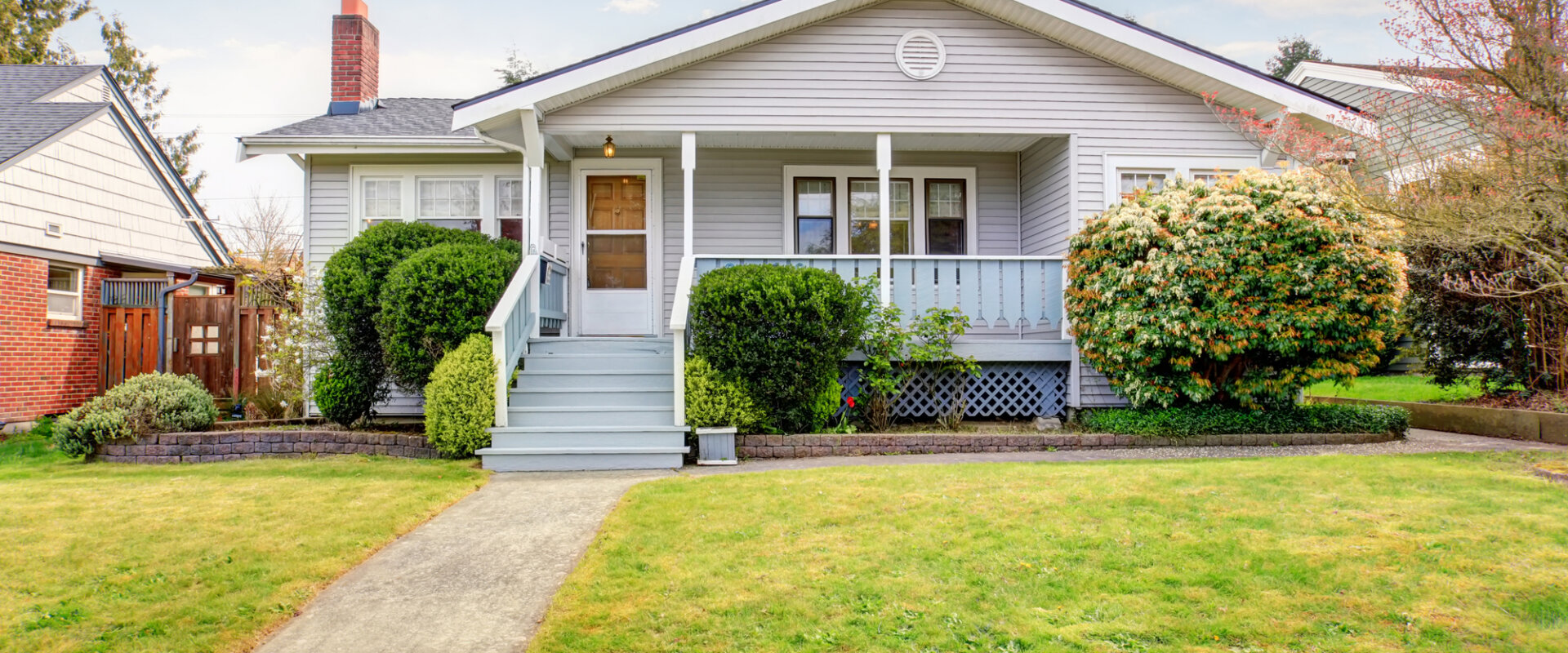

Yes, you can sell a Nebraska house even if your tenant is not paying rent. You have three main options: sell with the tenant in place (the lease transfers to the new buyer), complete an eviction before listing, or negotiate a “cash for keys” voluntary move-out. A cash buyer can purchase the property as-is with the tenant still inside — no eviction required before closing.
Selling a Nebraska Rental With a Non-Paying Tenant: Your Real Options
A tenant who stops paying rent puts you in a difficult position. You are covering the mortgage out of pocket while Nebraska law prohibits you from changing the locks or removing the tenant’s belongings on your own. And if you’ve decided you simply want out of the landlord role entirely, you may wonder whether you can sell the property fast for cash without waiting months for an eviction court to wrap up.
The answer is yes. Nebraska law allows you to sell a rental property with a tenant in place — the existing lease transfers to the new owner, who then becomes the landlord. This is true whether the tenant is current on rent or significantly behind. The non-paying status is a problem the new owner inherits and manages.
7 Days Cash by The Sierra Group has purchased rental properties with problem tenants for over 20 years in Nebraska, Iowa, Missouri, Kansas, and Florida. We buy as-is — tenant damage, unpaid rent, and all. Our team handles the tenant transition after closing so you never have to deal with the eviction process yourself.
The sections below cover your legal rights under Nebraska’s Landlord-Tenant Act, the eviction process and timeline, your three main selling options, and why getting a cash offer is often the fastest and least stressful exit from a bad tenant situation.
Your Legal Rights as a Nebraska Landlord With a Non-Paying Tenant
Under the Nebraska Residential Landlord and Tenant Act (Neb. Rev. Stat. §§ 76-1401 through 76-1449), when a tenant fails to pay rent you have the following rights. Understanding these is essential before deciding whether to evict or sell the property as-is:
- Serve a written 7-Day Pay or Quit Notice. This formal notice gives the tenant 7 days to either pay all past-due rent or vacate the property voluntarily.
- File a Forcible Entry and Detainer (eviction) action in county court if the tenant does not comply within the 7-day notice period.
- Pursue a money judgment for unpaid rent in addition to — or instead of — a possession order.
- Deduct documented repair costs from the security deposit for damage beyond normal wear and tear.
Nebraska does NOT allow self-help eviction. You cannot change the locks, remove the tenant’s belongings, shut off utilities, or harass a tenant into leaving — even if they owe months of back rent. Doing so exposes you to civil liability and can derail a pending sale.
Nebraska Eviction Process — Step by Step and Timeline
Even in an uncontested case, Nebraska evictions take time. Understanding how long the process takes helps you decide whether to pursue eviction or sell with the tenant in place.
| Step | Action Required | Typical Timeline (Nebraska) |
|---|---|---|
| 1 | Serve 7-Day Pay or Quit Notice (written, delivered to tenant) | Day 1 |
| 2 | If unpaid/not vacated: File Forcible Entry and Detainer in county court | Day 8-10 |
| 3 | Court schedules hearing — summons served on tenant | 10-14 days after filing |
| 4 | Court hearing — judge rules on possession and any money judgment | Day 20-30 from filing |
| 5 | If tenant contests or requests continuance | Add 2-4 weeks per continuance |
| 6 | Obtain Writ of Possession from court clerk | 1-3 days after judgment |
| 7 | Sheriff executes Writ — tenant and belongings removed | 2-7 days after Writ issued |
| TOTAL | Realistic timeline (uncontested to contested) | 4-16 weeks |
Every week of eviction is a week of lost rent plus attorney fees ($800-$2,000+ for a contested case) plus court filing costs. If you have reached the point where you are willing to sell, the math often favors selling immediately rather than waiting out the eviction.
Three Options for Selling a Nebraska Rental With a Non-Paying Tenant
Each option has different timelines, costs, and levels of hassle. See how these paths compare to a traditional listing to understand which makes the most financial sense for your situation.
| Option | Timeline to Sale | Estimated Cost | Best For |
|---|---|---|---|
| Evict first, then sell | 4-16 wks + listing | Legal fees + mortgage | Seeking retail pricing |
| Sell with tenant in place | 7-21 days total | None | Immediate exit |
| Cash for Keys + sell | 2-6 weeks total | $500-$2,000 payment | Cooperative tenants |
Option 1: Evict First, Then List on the Market
This path yields the highest sale price because retail buyers and their lenders generally prefer vacant, move-in-ready properties. However, you absorb all eviction costs, the time it takes, and continued mortgage and maintenance payments during an extended listing period. If the tenant damages the property during or after eviction, repair costs come out of your pocket before listing.
Option 2: Sell With the Tenant In Place (Recommended for Speed)
Cash buyers who invest in rental properties routinely purchase homes with problem tenants. 7 Days Cash buys as-is with the tenant in place — we price the offer to account for the tenant situation and any visible damage, so you close quickly with no additional costs. This is the fastest path and eliminates all eviction risk and expense on your side.
Option 3: Cash for Keys
“Cash for Keys” means offering the tenant a lump-sum payment — typically $500 to $2,000 — in exchange for vacating voluntarily by a specific date and leaving the property in reasonable condition. It is faster and cheaper than court eviction and avoids the risk of tenant damage during the process. If the tenant accepts, you get a vacant property and can potentially list on the open market or sell quickly to a cash buyer.
What Happens to the Lease When You Sell a Nebraska Rental Property?
Nebraska follows the “tenant in possession” principle. When a rental property is sold, the existing lease transfers to the new owner — the new landlord inherits both the rights and the obligations of the original lease agreement.
| Lease Type | Effect on Sale | New Owner’s Rights |
|---|---|---|
| Fixed-Term Lease | Lease runs to end date | Must honor terms; right to rent |
| Month-to-Month | Transfers to new owner | Can terminate with 30-day notice |
| No Written Lease | Treated as month-to-month | 30-day notice to vacate |
This structure is why Nebraska home buyers who specialize in investment properties are often the best buyers for tenant-occupied rentals. They understand the lease transfer process and have systems for managing or transitioning problem tenants after purchase.
Showing a Nebraska Rental Property With a Non-Paying Tenant Inside
Nebraska law requires landlords to give at least 24 hours’ written notice before entering an occupied rental property for showings or inspections, regardless of the tenant’s payment status. If the tenant refuses access despite proper notice, you have limited immediate recourse outside of the pending eviction.
This is one of the most practical advantages of selling to a cash buyer: we require only one property visit to assess condition and prepare an offer. We do not schedule multiple showings, hold open houses, or require a buyer-inspection contingency. The fewer times you need the tenant’s cooperation, the smoother the process. See why many Nebraska landlords choose a direct cash sale over a traditional listing when problem tenants are involved.
What If the Non-Paying Tenant Has Damaged the Property?
Property damage by a non-paying tenant compounds the problem. Nebraska law gives you several remedies, but all of them take time. A key consideration is that property damage significantly reduces what you can recover on the open market — but has far less impact when selling to a cash buyer who buys as-is.
- Security deposit deduction: Deduct documented repair costs from the security deposit. Nebraska requires you to provide an itemized list within 14 days of the tenant vacating.
- Small claims court: Sue for damages exceeding the deposit in small claims court (limit $3,900 in Nebraska). This requires the tenant to be served and appear, and judgment collection is a separate process.
- Sell as-is to a cash buyer: Factor the damage into the negotiated offer price and close without any repairs. This is the fastest path when damage is significant and you do not want to spend money on a property you are ready to sell.
7 DAYS CASH BUYS DAMAGED PROPERTIES AS-IS
- Junk left behind by the tenant? We handle it.
- Holes in walls, broken fixtures, neglected yard? We buy as-is.
- You keep your security deposit rights and any money judgment — we take the property in its current condition.
- No repairs required before closing. No cleaning. No showings.
How 7 Days Cash Handles Non-Paying Tenant Situations
Our process is designed specifically for landlords who are done with the stress. Submit your property online or call (855) 291-5005 and here is exactly what happens:
1. You contact us and describe the property and tenant situation — non-payment, damage, or both.
2. We make one visit to assess condition (with proper 24-hour notice to the tenant) and present a fair all-cash offer within 24 hours.
3. If you accept, we open a title order. You do not need to evict the tenant before closing.
4. We close on your schedule — typically 7 to 21 days. You receive your proceeds at closing.
5. After closing, the tenant situation becomes our responsibility. We manage the transition — whether that means assuming the lease, offering cash for keys, or filing eviction as the new owner.
We are a Veteran-owned, BBB A+ rated company with 20+ years buying houses directly from sellers in Nebraska, Iowa, Missouri, Kansas, and Florida. Read what other landlords and sellers say about working with us.
No agent commissions. No repair costs. No eviction costs. Compare our net offer to a traditional listing — for tenant-occupied properties with damage, the gap is often smaller than landlords expect.
Frequently Asked Questions
Can I sell my rental property without telling the tenant?
You are not legally required to inform the tenant of your intent to sell before you list or accept an offer. However, once a sale is pending, Nebraska law requires 24-hour notice before any property entry for showings or inspections. Review the Nebraska home sale paperwork guide for what disclosure documents are required in a rental property sale.
What if the tenant claims they have a longer lease but I cannot find a copy?
Nebraska courts require tenants to prove the existence and terms of a lease if they assert one. Without a written lease, courts treat the tenancy as month-to-month. If a written lease exists and was not provided to you (e.g., you inherited the property), the tenant has the burden of producing it. Consult a Nebraska real estate attorney if the lease situation is disputed before closing.
Can the tenant buy the property themselves?
Yes. Nebraska law does not grant tenants an automatic right of first refusal unless that right is written into the lease. If your lease does not include a right of first refusal clause, you have no legal obligation to offer the tenant the chance to buy before accepting another offer. That said, offering the tenant the opportunity to buy can sometimes result in a faster, simpler transaction.
How long does a Nebraska eviction take if the tenant contests it?
A contested Nebraska eviction can take 8 to 16 weeks or longer. Tenants can request continuances, raise defenses under the Landlord-Tenant Act (such as claims that the landlord failed to maintain the property in habitable condition), or appeal a judgment. Each motion or hearing adds weeks to the timeline. This is the primary reason many landlords choose to sell with the tenant in place rather than pursue a contested eviction.
What is cash for keys and is it legal in Nebraska?
“Cash for Keys” is a voluntary agreement between a landlord and tenant where the tenant agrees to vacate by a specific date in exchange for a lump-sum payment. It is legal in Nebraska and is essentially a private contract. The payment typically ranges from $500 to $2,000 depending on how quickly the tenant agrees to leave and the condition they agree to leave the property in. It is faster and cheaper than court eviction and avoids the risk of deliberate property damage during the eviction process.
Can I sell to a cash buyer while an eviction is already pending in court?
Yes. You can sell the property at any point during a pending eviction. If you sell to a cash buyer before the eviction concludes, the eviction case transfers with ownership — the new owner steps into your position as the plaintiff. 7 Days Cash has experience navigating tenant situations including mid-eviction purchases, and we handle the legal transition after closing.
Does the tenant’s security deposit transfer to the new owner?
This is negotiated in the purchase agreement. In most cases, the seller retains the security deposit and any claim to it (for unpaid rent or damage). The new owner does not automatically receive the deposit. However, the new owner becomes responsible for returning a new deposit to the tenant at the end of the tenancy. Consult your purchase agreement and a real estate attorney to ensure security deposit handling is clearly documented.
Can I sell even if the tenant has an active lease with several months remaining?
Yes. A fixed-term lease does not prevent a sale — it transfers to the new buyer. The new owner is bound by the remaining lease term, including the rent amount and all terms. This is why investor buyers (like 7 Days Cash) are often the most practical buyers for tenant-occupied properties with active leases. They understand the lease structure and adjust their offer accordingly. Traditional retail buyers and their lenders often avoid properties with active problem tenants.