
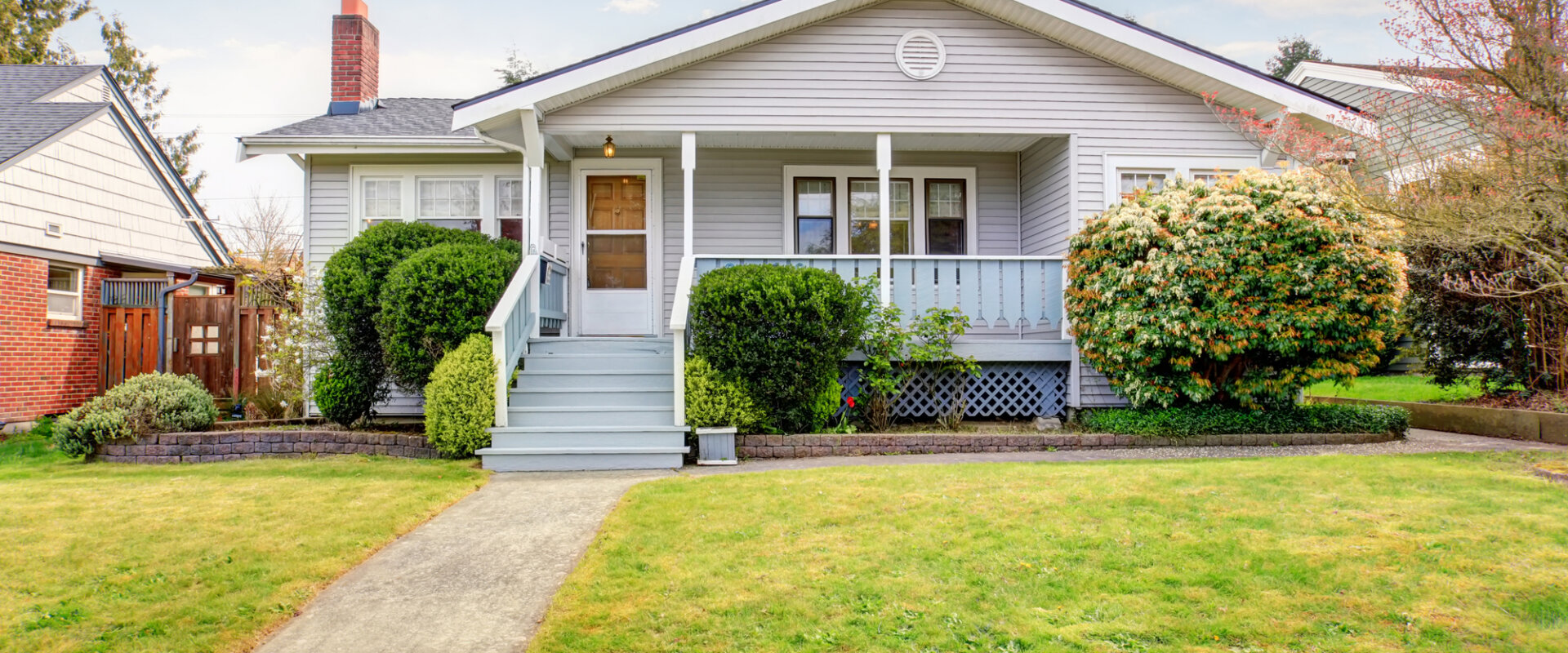

Yes, you can sell your Nebraska house while in bankruptcy — but the rules depend on which chapter you filed. In Chapter 7, the bankruptcy trustee controls your non-exempt equity and must approve the sale. In Chapter 13, you need court approval via a motion to sell. In both cases, a cash buyer who can close quickly is often the most practical option, since speed matters when a bankruptcy timeline is running.
Selling a Nebraska Home During Bankruptcy: What the Law Requires
Bankruptcy is one of the most misunderstood situations in real estate. Many homeowners assume that filing for bankruptcy means they cannot sell their house until the case concludes — or that the bank will simply take the property. In most cases, neither is true.
You can sell your Nebraska home during an active bankruptcy case, but the process depends on which chapter you filed and how much equity the property holds relative to Nebraska’s homestead exemption. The bankruptcy court and your trustee have legal authority over the sale, and proceeds go toward satisfying your debts — but you may still walk away with money in your pocket.
7 Days Cash by The Sierra Group has worked with homeowners in bankruptcy situations for over 20 years. We communicate directly with your attorney, coordinate with the trustee, and can close as quickly as the court and title company allow. We serve Nebraska, Iowa, Missouri, Kansas, and parts of Florida.
This article explains the key legal concepts — automatic stay, trustee authority, homestead exemption, and court approval — so you understand your options before getting a cash offer. Always consult a licensed bankruptcy attorney for advice specific to your case.
The Automatic Stay: What It Means for Selling Your Home
The moment you file for bankruptcy, an automatic stay goes into effect under 11 U.S.C. § 362. This federal injunction immediately stops nearly all collection actions against you, including:
- Mortgage foreclosure proceedings
- Sheriff sales of your property
- Creditor lawsuits and wage garnishments
- Repossession of property securing a debt
The automatic stay does NOT prevent you from voluntarily selling your home. What it does is require that the sale be conducted in a way that is transparent to the bankruptcy court. You cannot secretly sell the house and keep the proceeds — the trustee and the court must be involved, and any equity above your exemption goes to satisfy your creditors.
Important: If a foreclosure sale was already scheduled before your bankruptcy filing, the automatic stay halts it immediately. This gives you a window to negotiate with the lender, seek a loan modification, or sell the property before foreclosure. A cash buyer who can close in 7 to 21 days can be critical in this window.
Chapter 7 vs Chapter 13 Bankruptcy: How Each Affects a Home Sale
The two most common personal bankruptcy chapters have very different rules for selling real estate. Understanding which chapter applies to your situation is the first step.
| Feature | Chapter 7 (Liquidation) | Chapter 13 (Reorganization) |
|---|---|---|
| Purpose | Discharge most unsecured debts quickly | Repay debts over 3-5 years on a court-approved plan |
| Duration | 3-6 months from filing to discharge | 3-5 years (repayment plan must complete) |
| Who controls the house? | Bankruptcy trustee if equity exceeds exemption | You (the debtor) retain possession; court oversees sales |
| Can you sell voluntarily? | Yes, but trustee must approve and may require sale | Yes, but court must approve via a motion to sell |
| Where do sale proceeds go? | Trustee distributes to creditors; excess goes to you | Into the repayment plan; may allow modification of plan |
| Homestead exemption applies? | Yes — protects equity up to state limit from creditors | Yes — exempt equity stays with you; plan covers the rest |
| Best for homeowners who… | Have little equity; want fastest debt relief | Have equity above exemption; want to keep the house or control the sale |
Selling Your Home in Chapter 7 Bankruptcy
The Trustee’s Role
In Chapter 7, a court-appointed trustee reviews your assets and determines which ones are exempt (protected) and which are non-exempt (available to pay creditors). Your home is subject to this analysis.
If your home’s equity exceeds Nebraska’s homestead exemption, the trustee has the authority to sell the property on behalf of your creditors — even without your consent. If equity is below the exemption, the trustee will typically “abandon” the property (release it from the bankruptcy estate), and you may be able to sell it yourself or keep it. Understanding how home equity affects your sale options is essential before filing.
Nebraska Homestead Exemption in Chapter 7
Nebraska’s homestead exemption (Neb. Rev. Stat. §§ 40-101 through 40-116) protects a portion of your home’s equity from creditors in bankruptcy. The exemption amount applies to your primary residence. Equity above the exemption is considered non-exempt and is available to the trustee to sell and distribute to creditors.
| Asset | Nebraska Bankruptcy Exemption (verify current amounts with your attorney) |
|---|---|
| Homestead (primary residence) | Up to $60,000 of equity protected from creditors |
| Personal property (household goods) | Up to $2,500 total |
| Motor vehicle | Up to $2,400 |
| Tools of trade / professional equipment | Up to $2,400 |
| Life insurance cash value | Unmatured policy — full value; matured — up to $10,000 |
| Retirement accounts (ERISA-qualified) | Generally fully exempt under federal law |
Example: Your Nebraska home is worth $180,000 with a $120,000 mortgage. Your equity is $60,000. Nebraska’s homestead exemption protects exactly $60,000 — meaning a Chapter 7 trustee has no non-exempt equity to claim. The trustee would likely abandon the property, and you could sell it voluntarily or keep it.
Example: Same home but worth $250,000 with a $120,000 mortgage. Equity is $130,000. After the $60,000 exemption, $70,000 is non-exempt. The trustee can sell the home, pay the mortgage from proceeds, give you your $60,000 exemption, and distribute the remaining $70,000 to creditors.
Selling Your Home in Chapter 13 Bankruptcy
Court Approval Is Required
In Chapter 13, you keep your assets and follow a 3-to-5-year repayment plan approved by the court. If you want to sell your home while the Chapter 13 plan is active, you must file a motion to sell with the bankruptcy court under 11 U.S.C. § 363. The court must confirm the sale is in the best interest of creditors, and your trustee and creditors have the right to object.
The process typically works as follows:
1. Your bankruptcy attorney files a motion to sell the property with the court, including the proposed sale price and terms.
2. The trustee and all creditors receive notice and have a window (typically 21 days) to object.
3. If no objections are filed, the court issues an order approving the sale without a hearing.
4. If objections are filed, the court holds a hearing and decides whether to approve the sale.
5. Sale proceeds are distributed: mortgage paid off, exemption returned to you, remaining proceeds applied to the repayment plan or paid directly to creditors.
Timing and the Chapter 13 Repayment Plan
A completed home sale in Chapter 13 may allow you to pay off your repayment plan early and receive a discharge sooner than the 3-to-5-year term. Your attorney can file a motion to modify the plan once the sale proceeds are received. This is why speed matters: a cash buyer who can close in days rather than months can shorten your overall bankruptcy timeline significantly.
Selling Timeline and Process by Bankruptcy Situation
The table below summarizes what is required and how long it typically takes. See how these timelines compare to a traditional listing when no bankruptcy is involved.
| Situation | Process Required | Typical Timeline |
|---|---|---|
| Chapter 7 — equity below exemption (trustee abandons) | Trustee abandons property; you sell voluntarily through normal process | 4-8 weeks (after trustee abandonment order) |
| Chapter 7 — equity above exemption (trustee sells) | Trustee controls and executes the sale; you receive exempt portion | 2-6 months (trustee-managed process) |
| Chapter 7 — you want to sell before trustee acts | File motion to sell; get court and trustee approval quickly | 3-6 weeks with cooperative trustee |
| Chapter 13 — voluntary sale while plan is active | File motion to sell with court; 21-day objection window; court order | 4-8 weeks from motion filing to closing |
| Chapter 13 — selling to pay off plan early | Same motion process; modify plan after sale | 4-8 weeks + plan modification filing |
| Pre-bankruptcy — selling before filing | Sell through normal process; disclose sale in bankruptcy petition | 7-21 days with a cash buyer; 60-120 days on market |
Short Sale in Bankruptcy: When the House Is Worth Less Than the Mortgage
If your mortgage balance exceeds the home’s current market value, you are “underwater” on the property. In this situation, a short sale — selling for less than the mortgage balance with lender approval — may be the best path. 7 Days Cash can assist with short sale situations and communicate with your lender and bankruptcy trustee on your behalf.
In a bankruptcy short sale, the lender must agree to accept less than the full payoff. This requires a written short sale approval letter from the lender, which is then presented to the bankruptcy court as part of the motion to sell. The court must still approve the transaction.
Unlike surrendering the house to the bank (called “surrender” in bankruptcy), a short sale gives you control over the process, the timing, and sometimes a small relocation allowance. Surrendering simply means the lender takes the house back through foreclosure after your bankruptcy discharge — a process that can take additional months and leaves a foreclosure on your credit record in addition to the bankruptcy. If you have delinquent property taxes on the house as well, those add further complexity and are another reason to sell quickly rather than surrender.
How 7 Days Cash Works With Bankruptcy Sellers
Our process is designed to fit within the constraints of a bankruptcy case. Submit your property online or call (855) 291-5005, and here is how we proceed:
1. You provide your property address and let us know you are in bankruptcy and which chapter.
2. We make a fair all-cash offer within 24 hours. The offer is structured to work within the court approval process.
3. We communicate directly with your bankruptcy attorney and trustee to understand what approvals are needed and the timeline.
4. Your attorney files the necessary motions with the court. We wait for court approval — our offer does not expire during this process.
5. Once the court issues its order approving the sale, we coordinate with the title company and close quickly.
6. Proceeds are disbursed as directed by the court — mortgage payoff, your exempt equity to you, and the remainder to the trustee for creditor distribution.
We are a Veteran-owned, BBB A+ rated direct home buyer with over 20 years of experience handling complex sale situations. Read what other sellers say about working with us — including sellers in foreclosure, bankruptcy, and probate.
There are no agent commissions, no repair costs, and no fees. See how our net offer compares to a traditional listing — in bankruptcy situations where speed is critical, the financial difference is often minimal.
| IMPORTANT DISCLAIMERThe information in this article is general educational content and does not constitute legal advice. Bankruptcy law is complex and highly specific to individual circumstances, the chapter filed, and your state of residence. Always consult a licensed bankruptcy attorney before making any decisions. 7 Days Cash is a home buyer, not a law firm. |
Frequently Asked Questions
Can I sell my house before filing for bankruptcy?
Yes, and in many cases this is the simplest option. Selling before filing means no automatic stay complications, no trustee involvement, and no court approval required. The sale proceeds must be disclosed in your bankruptcy petition and will be considered part of your bankruptcy estate. If the timing works — and a cash buyer can close in 7-21 days — a pre-bankruptcy sale often produces the cleanest outcome for all parties.
What happens to my mortgage in Chapter 7 bankruptcy?
Chapter 7 discharges your personal liability for the mortgage debt — meaning the lender cannot sue you personally if the sale proceeds are insufficient. However, the mortgage lien remains attached to the property itself. If you want to keep the house, you must continue making payments or reaffirm the debt. If you sell, the mortgage is paid off from proceeds at closing just as in any normal sale.
Can the bankruptcy trustee force me to sell my home?
In Chapter 7, yes — if your equity exceeds the Nebraska homestead exemption, the trustee has authority to sell the property to pay creditors. In practice, trustees prefer cooperative sales and often work with debtors to negotiate a sale that gives you more control over timing and condition. In Chapter 13, the trustee cannot force a sale — you retain possession as long as you follow your repayment plan.
Do I need my spouse’s consent to sell during bankruptcy?
If you filed jointly with your spouse, both of you must consent to and sign any sale documents. If only one spouse filed for bankruptcy, the property situation depends on how it is titled. Joint tenancy or tenancy by the entirety properties have specific rules under Nebraska law — your attorney should review the title before proceeding with a sale.
Can a cash buyer close while the court approval motion is pending?
No. The court approval order must be in hand before the sale can close. However, a cash buyer can execute a purchase agreement with a contingency that closing is conditioned on court approval. This locks in your buyer and price while the court process runs. Most straightforward motions to sell in Chapter 13 are approved within 4 to 8 weeks if no creditors object.
What if my home has both a mortgage and delinquent property taxes in a bankruptcy?
Both the mortgage and the tax lien must be paid from proceeds at closing — tax liens have priority over mortgages. Your bankruptcy attorney and the title company coordinate with all lienholders. See how properties with delinquent taxes are handled at closing for a detailed breakdown of the payoff sequence.
Will selling my house help me get out of bankruptcy faster?
In Chapter 13, yes — if sale proceeds are enough to pay off your entire repayment plan balance, you can file a motion to discharge early (called a “hardship discharge” or a “full payment discharge”). In Chapter 7, the timeline is fixed at 3-6 months regardless of whether you sell. Understanding how long Nebraska home sales typically take is important for timing your sale within your bankruptcy timeline.
Can I sell an inherited property while in bankruptcy?
Yes, but inheritance received within 180 days of filing Chapter 7 becomes part of your bankruptcy estate and is subject to trustee review. Selling an inherited property in Omaha while in bankruptcy follows the same court-approval process as your primary residence. Your attorney should be informed immediately if you inherit property after filing.
The Sierra Group, LLC is a professional home buying company who has been providing solutions for home sellers for over 20 years. We are Veteran owned and operated and have an A+ rating with the Better Business Bureau.
We currently purchase houses in the Lincoln and Omaha, Nebraska, Kansas City metro area, Des Moines, Iowa, and parts of Florida.