Selling a home can feel confusing, especially when money and timing are on the line. A lot of homeowners worry about surprise fees when they choose a fast cash sale. This article walks through the fees you might encounter, how to avoid unexpected charges, and the upside of selling with no commission. We also explain how 7 Days Cash keeps the process clear so you can sell quickly without hidden costs.
What Fees Are Typically Involved When Selling Your House for Cash?
Cash sales usually mean fewer moving parts than a traditional sale, but some costs can still come up. Common items to watch for include title insurance, escrow fees, and recording fees. In most cases these costs are small compared with the combined agent commissions and closing expenses you’d face in a traditional sale.
Which Common Fees Should Homeowners Expect in Cash Sales?
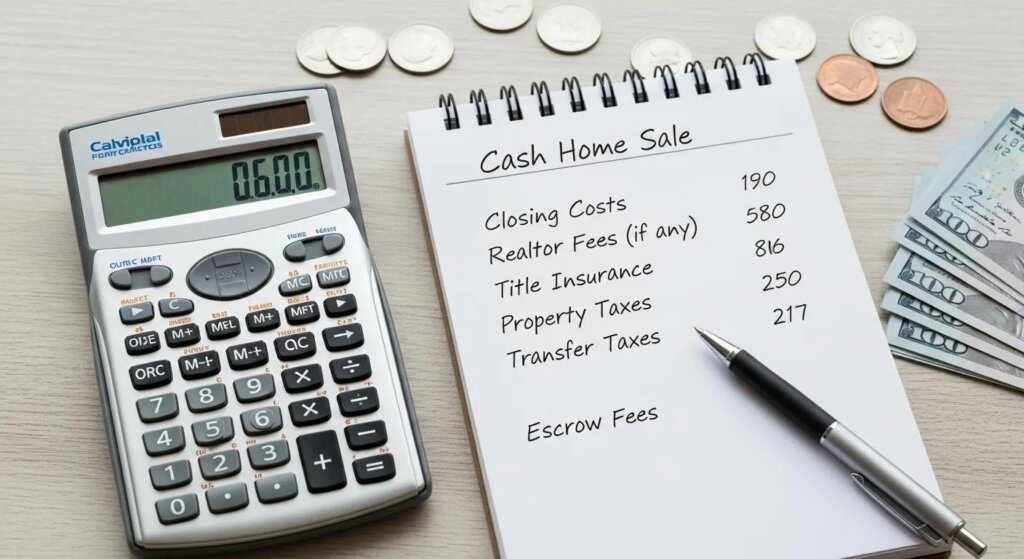
When you sell for cash, plan for a few typical charges:
- Title Insurance: Protects against title problems that could surface after closing and confirms clear ownership for the buyer.
- Escrow Fees: Fees for the escrow company to manage the transaction—often around 1% to 2% of the sale price.
- Recording Fees: Small government fees for officially recording the sale in public records.
Knowing these likely costs ahead of time helps you avoid surprises at closing.
How Do Closing Costs and Commissions Affect Cash Offers?
Traditional sales commonly carry closing costs of about 2% to 5% and agent commissions around 5% to 6%—amounts that can substantially lower your net proceeds. For homeowners looking to sell my house fast in Kansas City, cash buyers frequently absorb some or all closing costs, so the offer you receive is often closer to the cash you’ll actually walk away with. That simplicity and transparency is a main reason sellers choose cash transactions.
How Does 7 Days Cash Ensure No Hidden Fees in Fast Home Sales?
At 7 Days Cash, transparency is central to how we work. We aim to remove guesswork so sellers understand every charge before they agree to sell.
What Transparency Measures Does 7 Days Cash Use to Build Trust?
We use a few simple practices to keep things clear:
- Clear Communication: We explain the process and any expected costs up front.
- No Hidden Fees: All fees are disclosed before you sign—so there are no unexpected deductions at closing.
- Fair Cash Offers: Offers come from a careful evaluation of your property and current market conditions.
These steps help sellers feel confident choosing a fast cash sale.
How Does the Free No-Obligation Valuation Work?
Our free, no-pressure valuation is quick and simple:
- Fill Out an Online Form: Tell us about your property—condition, location, and any special circumstances.
- Receive a Cash Offer: In most cases you’ll get an offer within 24 hours based on that evaluation.
- No Repairs Needed: You can sell the home as-is—no costly fixes required before closing.
This gives you a clear, no-commitment picture of your options.
What Are the Benefits of Selling Your House Without Commission Fees?

Skipping agent commissions changes the equation for many sellers. You keep more of the sale proceeds and often move through the sale much faster.
How Do No Commission Sales Compare to Traditional Real Estate Transactions?
No commission sales stand out in several ways:
- Cost Savings: You avoid agent fees, which can add up to 5%–6% of the sale price.
- Faster Transactions: Cash deals commonly close in 7 to 14 days—far quicker than the typical listing process.
- Less Preparation Required: You can sell the property as-is without staging or repairs.
These advantages make cash sales a practical choice for sellers who value speed and simplicity.
What Savings Can Homeowners Expect from No Agent Fees?
Keeping agent fees can make a real difference. For example, on a $300,000 home a 6% commission equals $18,000—money that stays in your pocket with a no-commission cash sale. Those savings can help fund your next move or other priorities.
How Can You Avoid Hidden Fees When Selling Your House Fast for Cash?
Protecting yourself from surprise charges starts with asking the right questions and choosing buyers who operate openly.
What Questions Should You Ask Cash Home Buyers About Fees?
Before you agree, make sure you ask:
- Are there any fees or commissions? Ask for a plain answer about all costs tied to the sale.
- Who pays the closing costs? Confirm which party covers escrow, title, or recording fees.
- Can I get a breakdown of all costs? Request a written itemization so nothing is left vague.
Those questions help you compare offers on equal terms.
How to Identify and Prevent Unexpected Charges in Cash Sales?
To reduce risk, take these steps:
- Research Buyers Thoroughly: Check reviews, testimonials, and any public complaints before you sign.
- Request Written Offers: Get the offer and all fees in writing so everything is clear.
- Maintain Clear Communication: Keep regular contact with the buyer and escrow company to resolve questions early.
These simple practices go a long way toward a smooth, surprise-free sale.
How Are Special Cases Like Inherited or Repair-Needed Properties Handled in Cash Sales?
Inherited homes and properties that need work are often a good fit for cash buyers. That route can remove the headache of repairs, probate delays, or lengthy listings.
What Fees Apply When Selling Inherited or Probate Properties for Cash?
When heirs or executors sell a property for cash, they typically see:
- No Commissions or Hidden Fees: Many cash buyers don’t charge agent commissions, so heirs keep more of the estate’s value.
- Sell As-Is: Buyers will often purchase the property in its current condition, avoiding repair costs.
- Streamlined Process for Heirs: Cash transactions can move much faster, helping resolve estate matters sooner.
This approach can ease the administrative and emotional load for families.
Are There Additional Costs When Selling Homes Needing Repairs?
Even when you sell as-is, keep a few possible costs in mind:
- Cost of Repairs: If you choose to fix items first, those expenses add up.
- Transaction Costs: Confirm whether the buyer charges any transaction-related fees before you sign.
- Holding Costs: If the sale takes time, ongoing expenses like taxes, utilities, and maintenance can continue.
Knowing these potential costs helps you choose the path that makes the most financial sense.
What Is the Step-by-Step Process for a Fast Cash House Sale?
Cash sales are designed to be quick and straightforward so you can close with minimal hassle.
How Quickly Can You Receive a Cash Offer and Close the Sale?
Most sellers receive a cash offer within 24 to 48 hours after submitting their property details. If you accept, the closing can often happen in 7 to 14 days—depending on title and local processes.
What Are the Key Steps From Valuation to Closing Without Hidden Fees?
The typical timeline looks like this:
- Submit Property Details Online: Share basic information so we can evaluate your home.
- Receive and Review Cash Offers: We present a written offer for you to consider.
- Finalize the Sale: If you accept, we move to closing with all fees disclosed in writing.
This straightforward flow helps sellers move fast and avoid surprises. To read real customer experiences, see the 7 Days Cash testimonials.
Frequently Asked Questions
What should I do if I suspect hidden fees in my cash sale?
Start by asking the buyer for a written itemization of every charge. If anything looks off, consult a real estate attorney or a trusted advisor who can review the contract with you. Also check the buyer’s reviews and complaints history—reputation often reveals how transparent a company is.
Can I negotiate fees with cash home buyers?
Yes. Many terms are negotiable—especially who pays closing costs. Go into the conversation with clear expectations, and be ready to compare written offers. Understanding typical local fees strengthens your negotiating position.
How do I know if a cash buyer is reputable?
Look for consistent, positive reviews, clear contact information, and willingness to provide references. Check the Better Business Bureau and other review sites for complaints, and ask the buyer direct questions about their process and fees. A reputable buyer will be open and responsive.
What happens if the cash buyer backs out of the deal?
Consequences depend on the purchase agreement. If the buyer withdraws without a contractually valid contingency, they may forfeit any earnest money. If contingencies are in place, they may be able to withdraw legally. A solid purchase agreement protects your interests—consider having it reviewed by an attorney.
Are there tax implications when selling my house for cash?
Yes. If you sell for more than you paid, you may owe capital gains tax on the profit. If the home was your primary residence for at least two of the last five years, you may qualify for an exclusion up to $250,000 for single filers or $500,000 for married couples. Speak with a tax professional to understand your specific situation.
What should I consider when selling a house that needs repairs?
Decide whether to sell as-is or invest in repairs. Selling as-is can be faster and easier, but may yield a lower offer. If you opt to repair, prioritize high-impact areas like kitchens and bathrooms. Always disclose known issues to avoid disputes after closing.
How can I ensure a smooth closing process for my cash sale?
Gather key documents—title, past tax records, and any disclosures—before you start. Stay in regular contact with the buyer and escrow company, and consider hiring a real estate attorney or experienced advisor to guide you through closing. Clear communication reduces the chance of last-minute problems.
Conclusion
Knowing what fees may come up when you sell for cash gives you control over the process. Choose a transparent buyer like 7 Days Cash and you can expect clear terms, faster closings, and no surprise charges—so more of your sale proceeds stay with you. Ready to see your options? Explore our services and get a free valuation today.