


Inheriting a house in Omaha often brings mixed emotions—and a lot of paperwork. This guide breaks down the Nebraska probate steps, the tax issues that can affect heirs, and practical options when you need to sell quickly. Many families get stalled by long probate timelines or surprise tax bills; knowing your choices ahead of time helps you move faster and keep more of what the home is worth. We’ll walk through probate basics, how affidavits can speed transfers, executor responsibilities, inheritance tax rules, and why some people choose cash home buyers for a quicker sale.
How Nebraska Probate Works for Inherited Houses
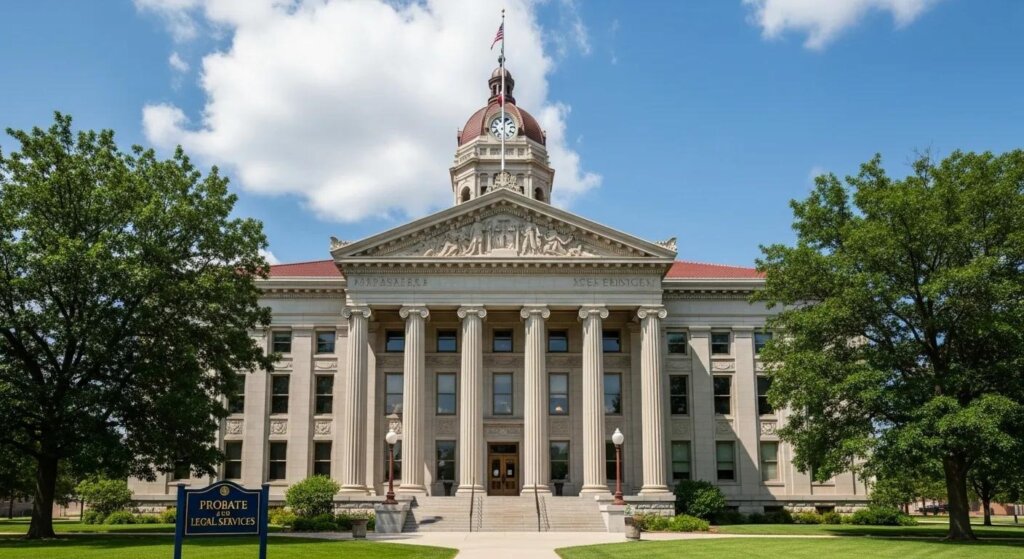
Probate is the court process that validates a will (when there is one) and oversees how a deceased person’s assets—including real estate—are handled. The court makes sure debts and taxes are paid, then the property is transferred to heirs. In Omaha, probate can affect how quickly you can sell an inherited house and how much the estate ultimately yields after fees and costs. Understanding the process helps you avoid surprises and plan a faster sale when needed.
A look back at the development of Nebraska’s Probate Code shows why it still shapes how estates are handled today.
Nebraska Probate Code: Background & Development
The Nebraska Probate Code was created to set consistent rules for administering estates and ensuring assets are distributed according to law and the decedent’s wishes. The Nebraska Probate Code: Its Background and Development, 1975
How Probate Can Slow Down an Inherited Home Sale
Probate often adds time and paperwork to selling an inherited property. Court approval may be required to sell, which lengthens the timeline—especially if heirs disagree or the will is contested. You’ll also need to notify creditors and settle outstanding debts, and those steps can delay a closing. Probate-related costs, like court and attorney fees, can eat into the estate’s value if the process drags on.
Typical Probate Timelines and Costs in Nebraska
Probate in Nebraska can run from a few months to more than a year, depending on the estate’s complexity. Common costs heirs should plan for include:
| Cost Type | Estimated Amount |
| Court Fees | $200 – $500 |
| Attorney Fees | $1,500 – $5,000 |
| Executor Fees | Statutory fees set by the court, often around 2-5% of the estate value |
These numbers can vary based on estate size and specific circumstances. Knowing the likely timeline and fees helps heirs decide whether to sell your house now, wait, or pursue alternate transfer options.
Using an Affidavit to Transfer Real Property Without Probate in Nebraska
In certain situations, you may be able to skip formal probate by filing an affidavit to transfer real property. That document can allow ownership to change hands without a full court process, which speeds up the sale for eligible heirs.
What an Affidavit of Heirship Does and When It Helps
An affidavit of heirship names the deceased and the heirs and explains how the property should pass. It’s commonly used when there’s no will or when the estate qualifies for small-estate or summary procedures. When eligible, this path can make the transfer quicker and less expensive than formal probate.
How to Prepare and File an Affidavit to Move the Title Quickly
To prepare an affidavit for a quicker transfer, follow these basic steps:
- Gather Necessary Documents: Get the death certificate and any deeds or title documents related to the property.
- Complete the Affidavit: Fill out the affidavit of heirship with accurate details about the deceased and the heirs.
- File with the County Register of Deeds: Submit the signed affidavit to the county register of deeds where the property sits.
When done correctly, this route can remove the probate delay and make a sale or transfer much faster.
Executor Duties for Estates in Omaha
The executor (sometimes called a personal representative) manages the estate through probate and makes sure the decedent’s wishes are carried out. That role includes handling assets, paying debts, and overseeing distributions or sales of property.
Who Can Serve as Executor and What They Must Do
In Nebraska, an executor must be a competent adult (typically 19 or older) who is not a convicted felon. Key responsibilities include:
- Managing Estate Assets: Protecting and maintaining estate property until it’s distributed or sold.
- Settling Debts: Notifying creditors and paying valid debts and taxes from the estate.
- Distributing Assets: Following the will, or Nebraska intestacy rules if there’s no will, to distribute the estate.
Knowing these duties helps anyone serving as executor avoid common missteps and move the estate toward a timely settlement.
An executor’s role often includes filing tax returns for the estate and seeking court-approved compensation when appropriate.
Executor Duties, Fees & Estate Administration
An executor handles estate administration tasks—from tax filings to settling debts—and may be entitled to compensation as set or approved under state law. The executor’s guide: how to administer an estate under a will, 2004
How an Executor Handles Probate and Selling Property
An executor coordinates with attorneys, appraisers, and real estate professionals to manage timelines and legal requirements for selling estate property. They must address disputes, ensure clear title, and follow court directions—all while protecting the estate’s value and moving the sale process forward.
Nebraska Inheritance Tax Laws and Noted Updates for 2026
Nebraska may assess an inheritance tax on beneficiaries who receive property from a decedent. Understanding which heirs are taxed and at what rates is important when planning a sale of an inherited home.
How Inheritance Tax Can Affect Selling an Inherited House
Nebraska’s inheritance tax depends on the beneficiary’s relationship to the decedent. Spouses and some immediate family members often qualify for exemptions or lower rates, while more distant relatives or unrelated beneficiaries may face higher rates. Any tax owed reduces the estate’s net proceeds from a sale, so it’s wise to get tax guidance early.
Looking at historical rate structures helps explain why exemptions and brackets vary by class of heir.
Nebraska Inheritance Tax Rates on Property
Historically, Nebraska applied graduated rates to inherited property with thresholds and higher rates for larger inheritances, reflecting distinctions between beneficiary classes. Nebraska inheritance and estate taxes, 1968
Current Tax Rates and Exemptions (2026)
As of 2026, Nebraska’s inheritance tax structure looks like this:
| Relationship | Tax Rate | Exemption |
| Spouse | 0% | Full exemption (no minimum) |
| Lineal descendants (children, grandchildren) | 1% – 13% | $40,000 |
| Siblings | 1% – 18% | $15,000 |
| Other heirs | 1% – 18% | $10,000 |
These rates and exemptions can materially affect how much heirs receive after a sale. It’s a good idea to confirm current rules with a tax professional because small differences can change your net proceeds.
Why Many Heirs Choose Cash Home Buyers in Omaha for a Fast Sale

Working with cash home buyers can be a practical choice when speed and simplicity matter. For heirs who want to avoid repairs, showings, and long closing windows, cash offers provide a clean alternative to the traditional market.
Key Benefits of Selling an Inherited House for Cash
Cash sales bring several advantages for inherited properties:
- Speed of Sale: Cash buyers can often close in days instead of months.
- No Repairs Needed: You can sell the house as-is and skip costly renovations.
- Simplified Process: Fewer contingencies, no open houses, and less back-and-forth paperwork.
For many heirs, those benefits outweigh the possibility of a slightly higher price on the open market because they remove uncertainty and ongoing carrying costs.
How 7dayscash Makes Selling Simple—No Repairs, No Hidden Fees
7dayscash focuses on fast, transparent cash offers for inherited homes. The process typically starts with a quick property review, an immediate offer, and the option to close on a timeline that fits your needs—often without repair requests or surprise fees.
How to Avoid Foreclosure and Move an Inherited House Quickly in Nebraska
Inheriting a property can create financial pressure, especially if mortgage payments or taxes are due. Taking the right steps early can prevent foreclosure and preserve value.
Steps to Prevent Foreclosure on an Inherited Property
Consider these practical steps to protect the property:
- Communicate with Lenders: Let mortgage lenders know about the death and explore options like loan transfer, modification, or forbearance.
- Sell Quickly: A cash sale can stop payments and close a lender’s file sooner than a traditional sale.
- Seek Financial Advice: Talk with a financial or tax advisor to weigh options and avoid costly mistakes.
Acting promptly reduces the risk of foreclosure and gives heirs more control over the outcome.
Speeding Up a Sale with Cash Offers and Probate Alternatives
Choosing cash buyers or using affidavit procedures when eligible can shorten the sales timeline and reduce probate-related delays. These routes are especially useful when time is a factor or when the estate needs quick liquidity.
For real-life examples, 7dayscash maintains testimonials from clients who sold inherited homes quickly and with less stress.
With a clear understanding of probate, taxes, and fast-sale options, heirs can make decisions that protect value and reduce uncertainty when selling an inherited house in Omaha.
Frequently Asked Questions
What should I do if there is no will for the inherited property?
If there’s no will, Nebraska’s intestacy laws determine who inherits. You can often use an affidavit of heirship or pursue summary administration to transfer title without full probate. Because each situation is different, it’s wise to consult a probate attorney to make sure the transfer is done correctly.
Can I sell an inherited house before probate is complete?
Usually you can’t sell until the probate process gives legal authority to transfer title, unless you’re the named executor with court approval or you qualify for a small-estate transfer. Some affidavit procedures may allow a quicker transfer. Talk to a probate attorney to confirm your options and avoid legal complications.
What are the tax implications of selling an inherited property in Nebraska?
Selling an inherited property can trigger capital gains tax if the sale price exceeds the stepped-up basis (usually the fair market value at the decedent’s date of death). Nebraska’s inheritance tax rules may also apply depending on the beneficiary’s relationship to the decedent. A tax professional can clarify how these rules apply to your situation.
How can I determine the fair market value of the inherited property?
You can hire a licensed appraiser to get an official fair market valuation, or ask a local real estate agent for a comparative market analysis (CMA). An accurate valuation helps you price the property appropriately and estimate any tax impacts.
What happens if heirs disagree on the sale of the inherited property?
Heir disagreements can stall a sale and sometimes require mediation or court involvement. Open communication, a written plan, and legal advice can resolve many disputes; if not, the court may decide the outcome, which can add time and expense.
Are there any special considerations for selling a house with tenants?
If the inherited house has tenants, review existing leases and tenant rights under Nebraska law. Tenants usually retain their lease rights until expiration unless you negotiate otherwise. Clear communication and legal guidance help avoid tenant-related delays.
What are the benefits of working with a real estate agent versus cash home buyers?
A real estate agent can help you market the property and potentially get a higher price, but the process can take longer and require repairs or staging. Cash home buyers offer speed, convenience, and as-is purchases that eliminate repairs and many closing contingencies. Your choice depends on whether you value maximum price or a faster, simpler sale.
Conclusion
Selling an inherited house in Omaha doesn’t have to be overwhelming. Understanding Nebraska’s probate steps, tax rules, and alternatives like affidavits or cash buyers gives you practical choices. If speed, simplicity, and avoiding extra costs are your priority, a cash sale may be the right path. When you’re ready, consider our services to see how quickly we can help you move forward.